
DIET FOR LACTATING MOMS
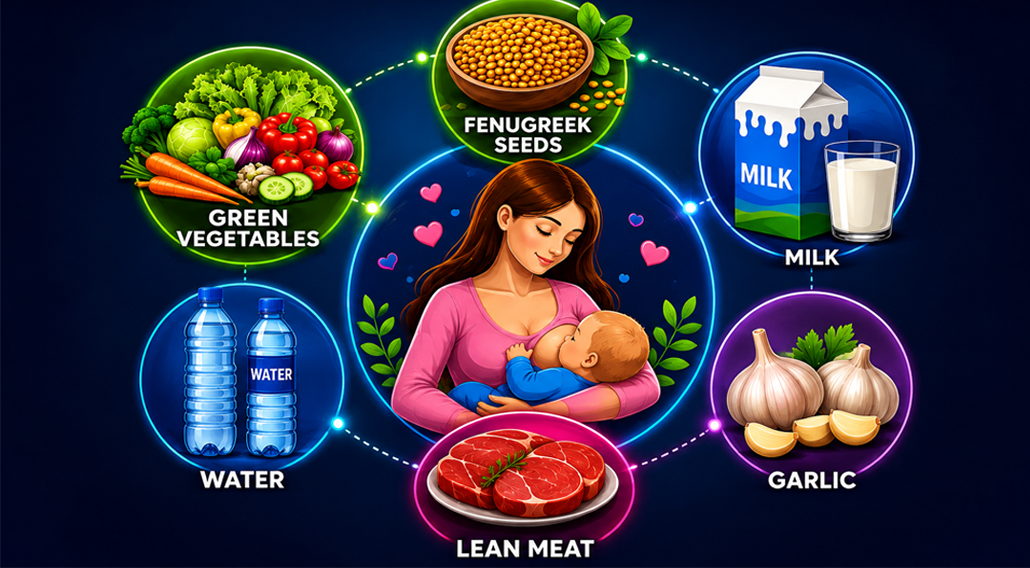
What to Include in the Diet of Lactating Moms?
If you’re a new mom, chances are you’re wholly or partially breastfeeding your child. While choosing your newborn child’s source of milk is entirely your prerogative, there is no denying that there are many benefits to breast milk.
Firstly, it is the baby’s most natural source of first food since it comes from your body. Breast milk is rich in antigens and antibodies, which boost the baby’s immunity by fighting off viruses and bacteria.
The crucial first six months set the tone for the baby’s well-being throughout childhood. Studies have shown that babies who are exclusively breastfed for the first three months tend to have fewer asthma attacks and other respiratory disorders, stomach ailments like diarrhoea, allergies, and inflammations. Breastfeeding is also vital for brain development and may reduce the chances of ADHD, leukaemia, and diabetes.
Breastfeeding also helps mothers shed excess post-delivery weight, lowers the risk of breast and ovarian cancers, and strengthens bone health. The benefits aren’t just physical—the nursing mother often feels happier, has a lower risk of postpartum depression, and develops greater resistance to stress.
What to Include?
- Water: Drink at least 3–3.5 litres per day.
- Green Leafy Vegetables: Increase the nutrient content of breast milk and help the mother’s recovery after delivery.
- Seeds: Ajwain, cumin, and fenugreek seeds. Boil 2 teaspoons in 100 ml of water and drink twice a day.
- Milk: Around 500–650 ml of whole milk (A2 milk, if suitable) is recommended for lactating mothers who do not have conditions such as diabetes, obesity, or heart disease.
- Lean Protein: Country chicken soup and eggs provide the protein needed for the mother’s recovery and support good-quality breast milk.
- Whole Grains: Millets and other whole grains are rich in fibre, vitamins, and iron, which are beneficial for both mother and baby.
Comprehensive Maternity Care
For wholesome maternity care, ensure comprehensive antenatal and postnatal healthcare, including diet counselling and antenatal exercise classes guided by qualified midwives.


Leave a Reply
Want to join the discussion?Feel free to contribute!